The Complete Guide to Basil: Cultivation & Culinary Uses
By Maonera Farms Team
The Complete Guide to Basil: Cultivation & Culinary Uses
Basil is one of the world's most beloved and versatile herbs, and at Maonera Farms, we've perfected the art of growing premium basil for discerning chefs and home cooks alike. Whether you're creating Italian pesto, Thai curry, or gourmet cocktails, understanding basil is essential to unlocking its full potential.
Understanding Basil: Nature's Flavor Powerhouse
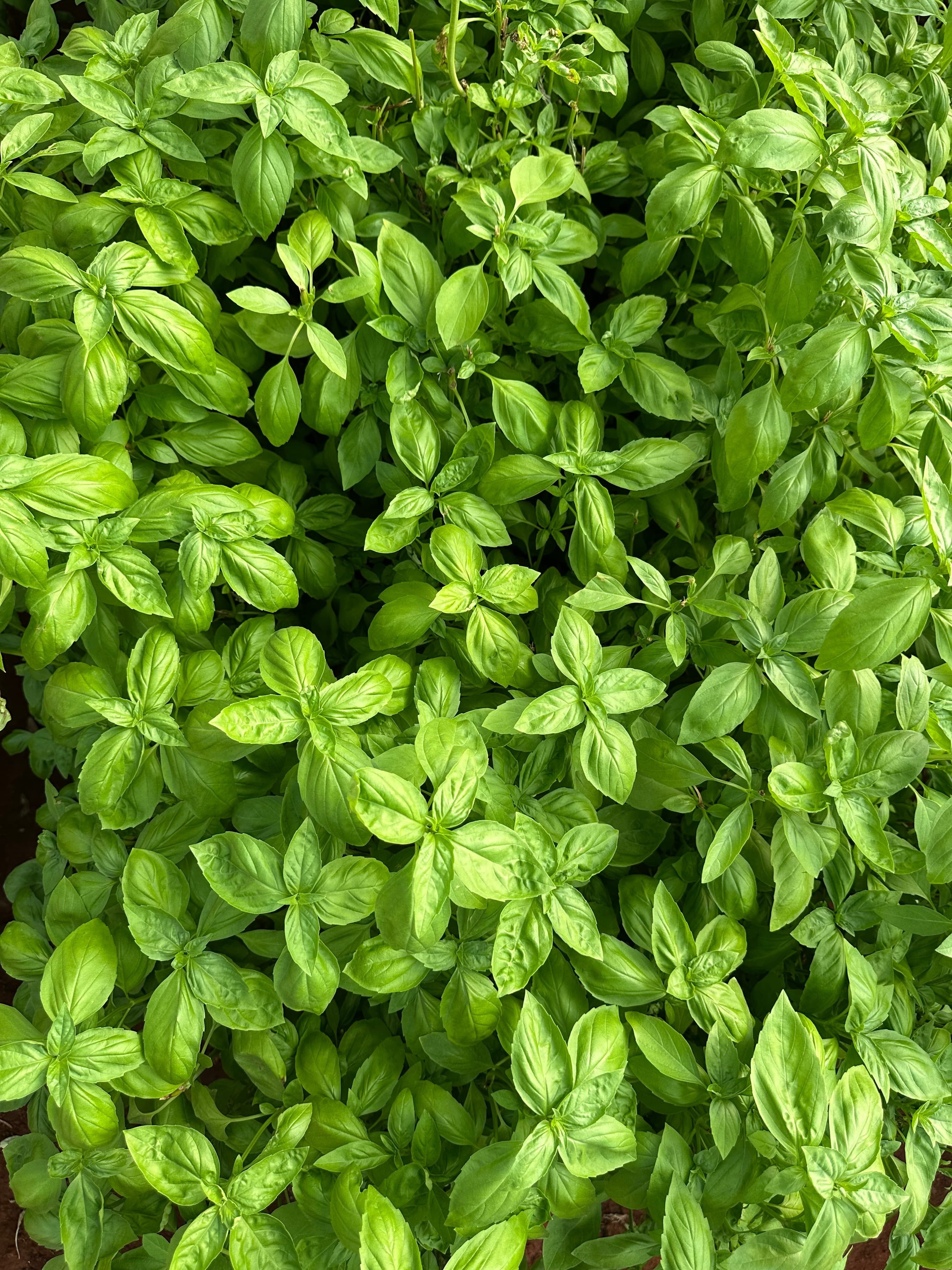
Basil (Ocimum basilicum) is a tender, warm-weather herb that originated in tropical regions of Central Africa and Southeast Asia. Today, it's cultivated worldwide and remains indispensable in Mediterranean, Asian, and contemporary cuisine. The herb contains powerful essential oils—particularly linalool, eugenol, and methylcinnamate—that give it its distinctive aroma and complex flavor profile.
Basil at Maonera Farms
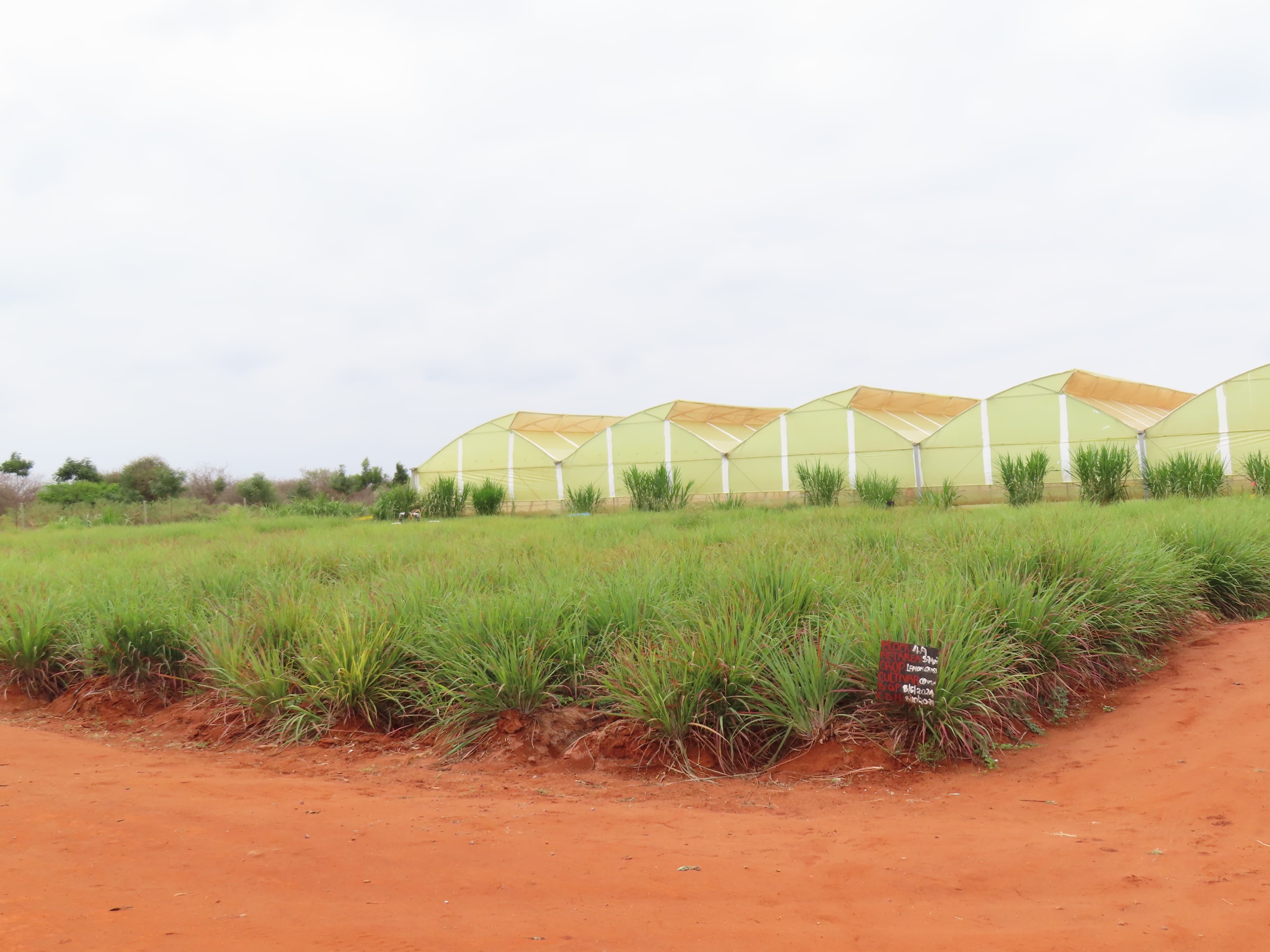
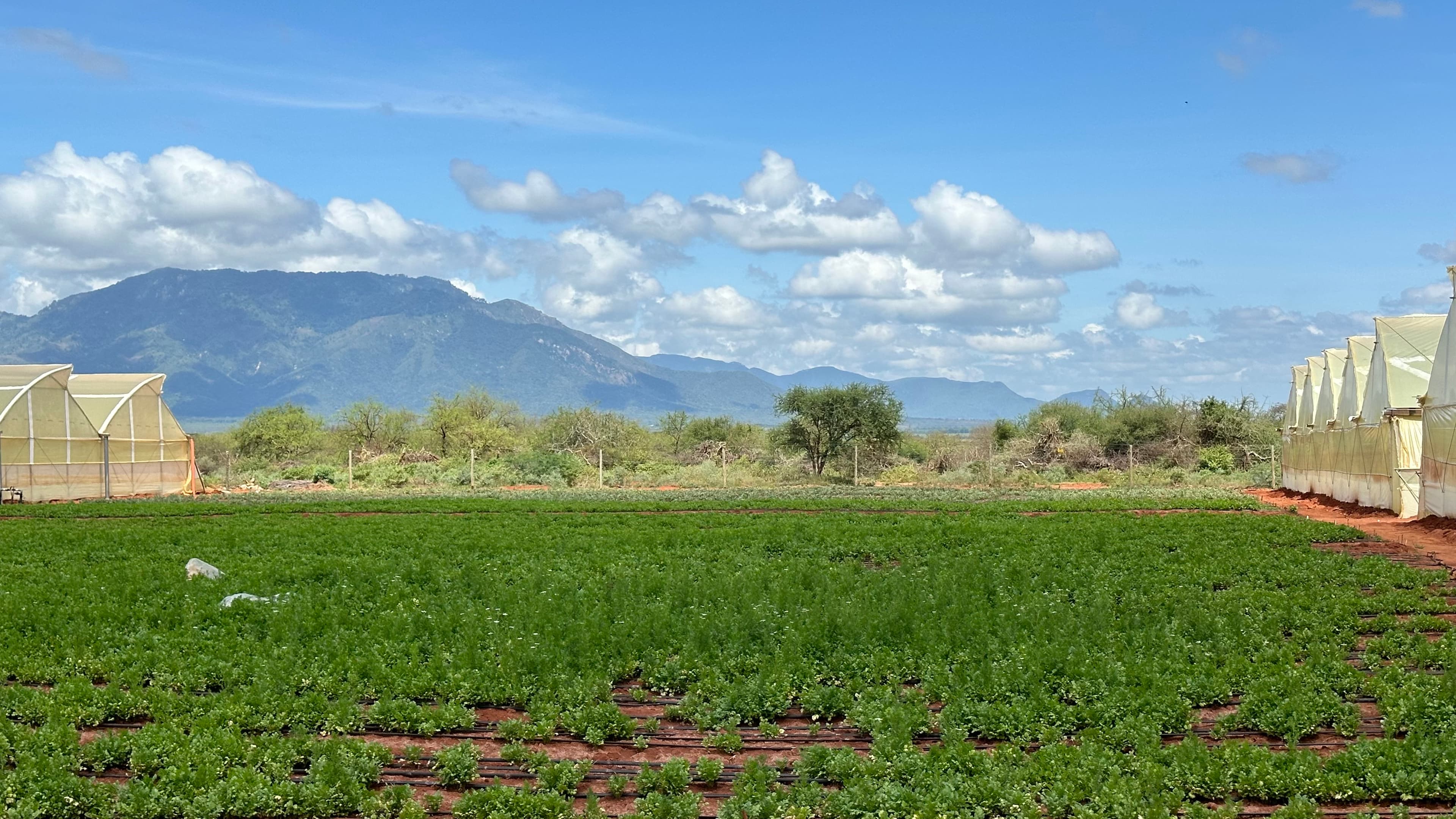
Our basil is meticulously cultivated in the pristine environment of Taita Taveta, Kenya. The region's elevation, clean mountain air, and rich volcanic soil create ideal conditions for producing intensely aromatic, flavorful basil. Unlike basil grown in industrial environments, ours benefits from:
- Natural sunlight: 6-8 hours daily of unfiltered mountain sun
- Perfect climate: Warm days and cool nights that concentrate flavor compounds
- Healthy soil: Rich in minerals and organic matter, never depleted
- Pure water: Clean mountain water with no industrial contaminants
- Zero pollution: Remote location far from urban industrial centers
Growing Basil: From Seed to Harvest
Optimal Growing Conditions
Basil thrives in specific conditions that we've perfected at our farm:
Temperature: Basil is a heat lover. Optimal growing temperature is between 70-85°F (21-29°C). The herb will suffer if temperatures drop into the 50s, which is why we harvest strategically as seasons change.
Sunlight: Basil requires 6-8 hours of full sun daily. More sunlight equals more essential oils and stronger flavor. Our high-altitude location provides intense, clean sunlight year-round.
Soil: Basil prefers moist, well-draining soil with a pH between 6.0-7.5. Our volcanic soil naturally maintains this optimal pH and provides excellent drainage with good water retention.
Water: Consistent moisture is crucial. We use drip irrigation to maintain soil moisture without waterlogging, which can cause root rot.
Planting & Propagation
We start basil from premium seeds, sowing them no more than 1/4-inch deep. Under optimal conditions, seeds germinate within 5-7 days. We also propagate from cuttings, which mature faster and preserve the genetic traits of superior plants.
Once plants reach 6-8 inches tall, we begin regular harvesting, which encourages bushier growth and increases overall yield without sacrificing quality.
Pest & Disease Management
Rather than relying on synthetic pesticides, we use:
- Beneficial insects: Encouraging natural predators like ladybugs and parasitic wasps
- Companion planting: Growing marigolds and other plants that deter pests
- Neem oil: A natural pesticide derived from the neem tree
- Proper spacing: Ensuring good air circulation to prevent fungal diseases
- Preventive care: Regular monitoring and quick intervention at first signs of problems
Basil Varieties: A World of Flavor
While Sweet Basil (Ocimum basilicum) is our flagship variety, we also cultivate:
Sweet Basil: Classic, aromatic basil with mild anise notes. Perfect for Italian dishes.
Thai Basil: Smaller leaves with a spicy, licorice-forward flavor. Essential for authentic Thai cuisine.
Lemon Basil: Bright, citrusy notes that add complexity to Asian dishes and beverages.
Purple Basil: Beautiful color with slightly more peppery notes. Popular in fine dining.
Each variety has distinct essential oil profiles, making them suited to different culinary applications.
Culinary Excellence: Why Chefs Choose Basil
Italian Cuisine Basil is the soul of Italian cooking. Fresh basil is essential for:
- Pesto: A traditional Genoese sauce that relies on the herb's aromatic intensity
- Caprese Salad: Simple but elegant, requiring the freshest, most flavorful basil
- Tomato-based Sauces: Adding brightness and complexity to ragu and marinara
- Bruschetta: A perfect showcase for quality basil
Asian Cooking Asian cuisines have perfected basil's use for centuries:
- Thai Curries: Red, green, and panang curries depend on basil's spicy, licorice notes
- Vietnamese Pho: Fresh basil is served alongside, allowing diners to add it to taste
- Stir-fries: Adding the herb at the end preserves its aromatic oils
- Soups: Floating fresh leaves on top for aroma and flavor
Fine Dining & Modern Cuisine Contemporary chefs appreciate basil for:
- Flavor Layering: Using different basil varieties in a single dish
- Microbasil: Tiny leaves for delicate garnishing
- Basil Oil: Infusing essential basil flavor into oils for drizzling
- Basil Foam: Modern culinary techniques that capture the herb's essence
- Cocktail Innovation: Muddled in craft cocktails and infusions
Home Cooking Even home cooks can create restaurant-quality dishes with quality basil:
- Pasta dishes: Fresh basil adds brightness to simple butter or oil-based sauces
- Grilled vegetables: A sprinkle of fresh basil enhances summer cooking
- Beverages: Muddled in lemonades, iced teas, and mocktails
- Salads: Adding herbal freshness to green salads and grain bowls
Preserving & Storing Basil: Maintaining Peak Flavor
Fresh Storage (3-5 days) For maximum flavor retention:
- Don't refrigerate immediately: Basil is sensitive to cold and will lose flavor and aroma if refrigerated. Store at room temperature (65-75°F).
- Water Method: Place stems in water like flowers, with leaves above the water line. Cover loosely with a plastic bag.
- Damp Towel Method: Wrap leaves in a damp paper towel and place in a plastic bag.
- Avoid Washing: Leave basil unwashed until ready to use. Water accelerates deterioration.
- Use Quickly: Fresh basil is best within 3-5 days of harvest. Flavor diminishes as oils evaporate.
Freezing (up to 6 months) The best method for long-term storage:
- Blanch briefly: Dip leaves in boiling water for 1-2 seconds, then ice bath
- Dry thoroughly: Pat completely dry to prevent ice crystal formation
- Flash freeze: Spread on a tray and freeze for 2 hours
- Store: Transfer to freezer bags with minimal air
- Note: Frozen basil works best in cooked dishes, not fresh applications
Drying (1+ year) Traditional preservation:
- Hang dry: Bundle stems loosely and hang upside-down in a warm, airy location
- Or oven dry: Low temperature (90-100°F) for 2-4 hours
- Store: Keep in airtight containers away from light and heat
- Note: Dried basil is more concentrated in flavor; use 1/3 the amount of fresh
The Maonera Promise
When you choose Maonera Farms basil, you're getting:
- Peak freshness: Harvested at optimal ripeness and shipped quickly
- Intense flavor: Grown in pristine conditions that concentrate aromatic oils
- Sustainability: Cultivated using practices that protect the environment
- Consistency: Reliable quality batch after batch
- Story: Direct from a family farm committed to excellence
Bringing Restaurant Quality Home
Professional chefs worldwide trust Maonera Farms basil because it delivers consistent, exceptional quality. The difference between average basil and ours is immediately apparent: in the intensity of aroma, the vibrancy of color, and most importantly, in the depth and complexity of flavor.
Whether you're preparing a simple Caprese salad, an elaborate Thai feast, or experimenting with modern cuisine, Maonera Farms basil elevates every dish. Experience the difference that truly premium basil makes in your kitchen.
Interested in our premium herbs?
Get in Touch